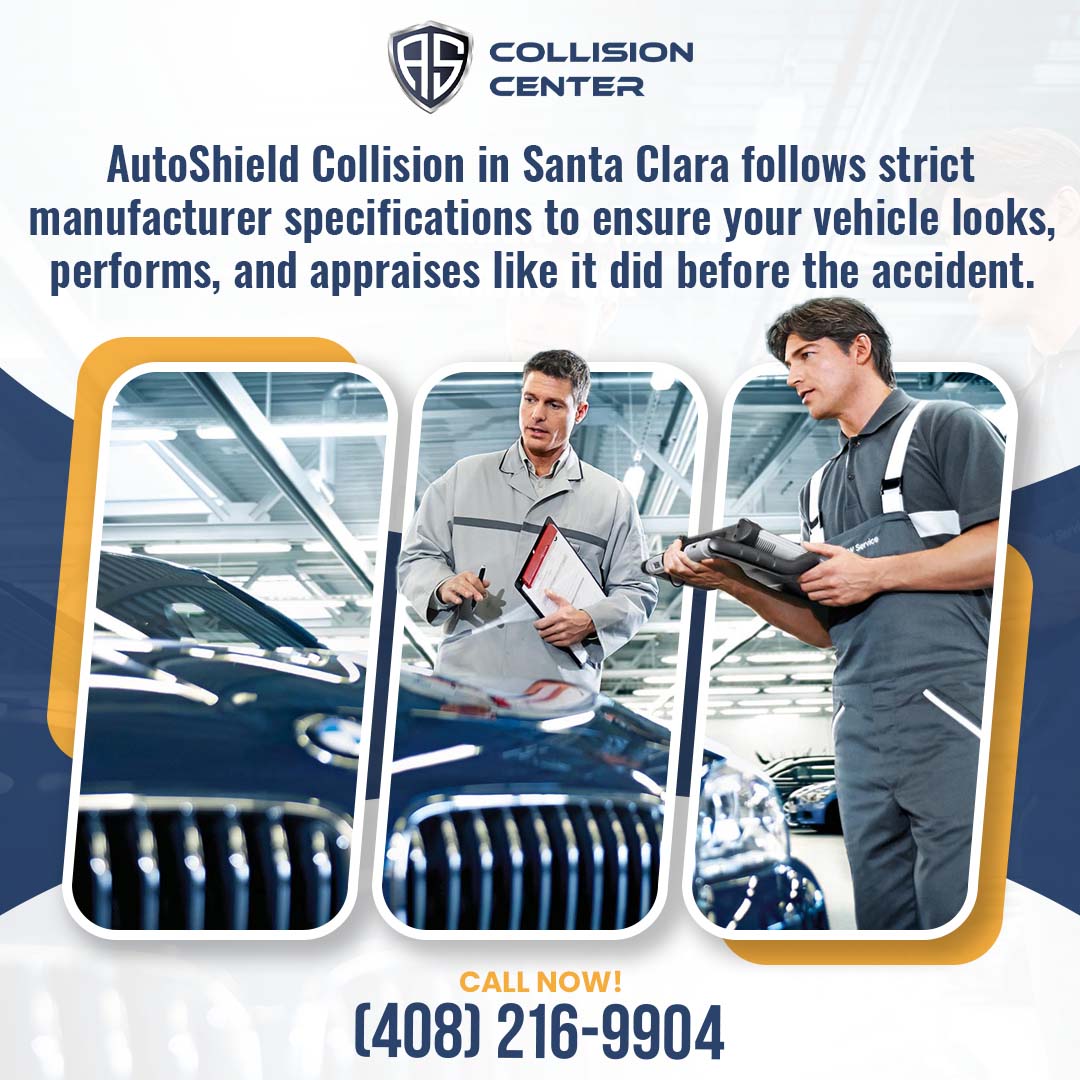
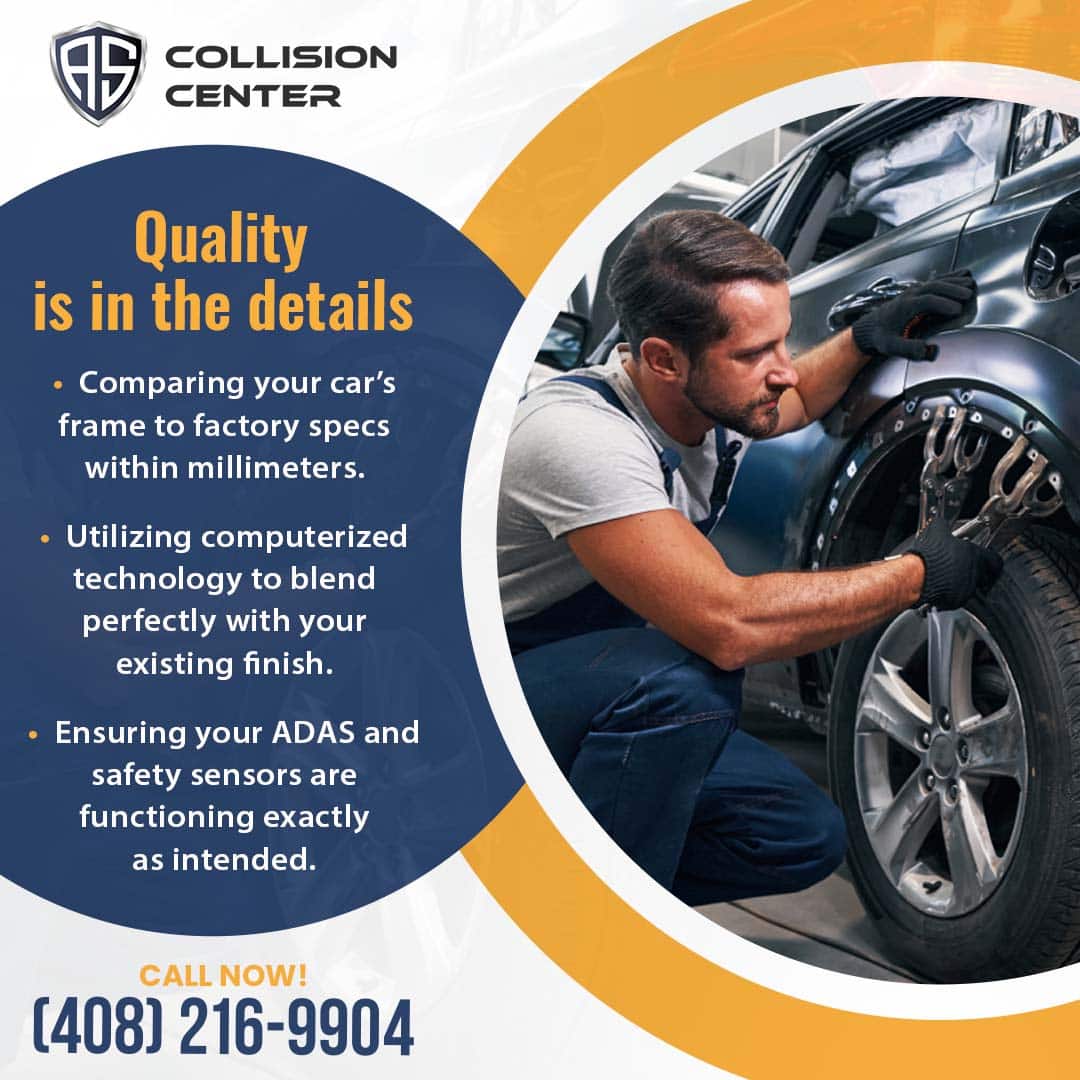
A head-on collision causes severe damage that affects multiple systems in your vehicle. These types of crashes usually require structural realignment, parts replacement, and advanced safety system calibration. At AutoShield Collision, we help drivers recover from major accidents with quality repairs and trusted service. Our team is trained in auto body and collision repair techniques that meet industry repair standards and manufacturer specifications. We use advanced measuring systems, welding tools, and paint-matching technology to restore vehicles to pre-accident condition.
What Happens During a Head-On Collision
The front ends of two vehicles crash directly into each other in head-on collisions and generate high-impact forces. This type of crash usually causes the most severe damage because the forward motion of both vehicles combines at the point of impact.
According to the Insurance Information Institute and NHTSA data, head-on collisions account for about 2.0% of crashes but contribute to over 10% of fatal traffic accidents in the U.S. The severity of damage depends on speed, vehicle size, and structural design.
The front-end components, including the bumper, hood, radiator, and frame, absorb most of the impact. In most cases, airbag systems deploy, and electronic sensors register fault codes. These events trigger repair requirements across multiple systems.
How Impact Forces Affect Vehicle Structure
Impact forces during a frontal collision compress and deform the vehicle’s front structure, often damaging the frame and safety zones. Modern vehicles are designed to crumple in a controlled way to absorb energy and protect passengers.
This safety design protects the cabin but often results in extensive damage to the frame, subframe, and engine bay. Repairs typically require frame realignment and recalibration of safety systems.
Force from the crash can also travel beyond the front, affecting parts like the steering rack or even the floor panels. Accurate damage mapping is the first step in proper collision repair, especially in high-force impacts like head-on crashes.
Typical Damage Seen in Frontal Accidents
Frame and Chassis
Frontal crashes can bend or crack the vehicle’s frame, compromising its structural strength. Common signs include misaligned doors, uneven gaps, or a tilted body. At AutoShield Collision, we use computerized frame machines to reverse distortion. We return your vehicle to factory geometry, which is critical for safety and alignment.
Engine Bay
Head-on collisions can damage the radiator, battery, mounts, and even internal engine parts. Leaks, broken brackets, or fan damage are often discovered during disassembly. A thorough engine bay review is essential before any parts are reinstalled.
Suspension and Steering
The impact can misalign or break suspension components, affecting handling and tire wear. Steering racks, control arms, and tie rods are common failure points. Suspension misalignment also causes the vehicle to pull to one side. After repairs, our collision shop completes a full alignment and steering recalibration to return handling to normal.
Airbags and Electronic Sensors
Airbags almost always deploy in a head-on collision, and crash sensors must be replaced and recalibrated. These systems include front sensors, seatbelt pretensioners, and control modules. Restoring these systems is a required part of safe auto body and collision repair.
Initial Vehicle Assessment at a Collision Repair Shop
The first step in the collision repair process after a head-on collision is a detailed vehicle assessment. This process identifies both visible and hidden damage.
Visual Inspection and Structural Evaluation
A thorough visual inspection is key to identifying obvious damage, while structural evaluation looks deeper into the vehicle’s framework and safety systems. In a head-on collision, the force often bends or distorts structural components like the frame, subframe, and chassis.
At AutoShield Collision, our technicians begin with a visual inspection of the vehicle’s outer body panels, including the bumper, hood, and fenders. We check for cracks, misalignments, and damage to the body’s exterior. Beyond the body, we focus on the frame and chassis for any signs of bending or twisting. These structural components must be restored to factory specifications for safety and performance.
Improperly repaired frames can increase the risk of further damage in future collisions. Therefore, a thorough structural evaluation is essential. Our experts use advanced measuring systems to assess frame alignment and make sure everything meets OEM standards.
Diagnostic Scanning for Hidden Damage
Hidden damage is common in head-on collisions, and diagnostic scanning is vital for uncovering issues that aren’t immediately visible. The impact forces from a collision can affect electrical systems, sensors, and airbags.
At AutoShield Collision, we use advanced diagnostic scanning tools to assess the vehicle’s electronic systems. This includes checking for fault codes in sensors, airbags, and other safety features. Hidden damage to the car’s internal wiring or control modules can compromise its performance and safety, even if the body appears intact.
By scanning the vehicle early in the process, we make sure that no hidden issues are overlooked. This allows us to provide thorough collision repairs in Campbell that restore the vehicle’s full functionality.
Frame Realignment and Structural Repair
Frame realignment is one of the most critical steps in head-on collision repairs. A misaligned frame can affect a vehicle’s handling, safety features, and overall structural integrity.
Frame Straightening and Measurements
Frame straightening involves restoring the vehicle’s frame to its original specifications using precise measurements. The process maintains the vehicle’s structural integrity and enables proper operation of all safety systems.
At AutoShield Collision, we use advanced laser-guided systems to measure the frame’s dimensions and compare them to factory standards. These systems detect even the smallest deviations from the original frame alignment, allowing for a precise straightening process. Our technicians then apply controlled force to gently realign the frame, ensuring it meets OEM standards.
This highly accurate frame measurement and straightening process prevents further issues with the vehicle’s handling and safety. Proper realignment is essential to make sure that the vehicle can withstand future impacts and protect its occupants effectively.
Welding and Reinforcement Methods
Welding and reinforcement are necessary to repair or replace damaged parts of the frame. Technicians may need to weld new components or reinforce existing parts of the frame to restore the vehicle’s integrity.
At AutoShield Collision, we employ advanced welding techniques, which provide strong, durable bonds. These methods are essential for restoring frame components, ensuring they meet safety standards and perform well in future crashes.
Reinforcement is also important. In cases where the frame has sustained significant damage, we add steel plates or other durable materials to reinforce weakened sections. This process strengthens the vehicle’s frame, ensuring that it can absorb impact energy effectively in future accidents.
Our collision shop uses the best equipment and techniques available to make sure that every repair is done correctly. By using only industry-approved tools and technology, we deliver high-quality collision repairs in Campbell that meet or exceed manufacturer standards.
Repairing or Replacing Body Panels
Body panel repairs are a key part of restoring a vehicle’s appearance and functionality after a head-on collision.
Front Bumper, Hood, and Fender Considerations
The front bumper, hood, and fender are some of the most vulnerable parts of a vehicle during a head-on collision. These components absorb much of the impact, protecting the frame and occupants. These parts must be repaired or replaced correctly to ensure safety.
At AutoShield Collision, we carefully assess the damage to the bumper, hood, and fenders. In many cases, the bumper may have absorbed the impact and can be repaired, but if there are cracks or if internal damage is present, replacement is necessary. The hood and fender may need to be replaced if the damage is severe enough to affect the vehicle’s overall safety and functionality.
For example, a damaged front bumper can affect the vehicle’s alignment and safety systems. A misaligned hood or fender can lead to issues with airflow, vehicle handling, and even the deployment of safety features like airbags. Thus, prompt and professional auto body and collision repair is essential.
OEM Parts vs. Aftermarket Panels
It’s important to decide between using Original Equipment Manufacturer (OEM) parts or aftermarket parts when replacing body panels. OEM parts are designed and made by the vehicle’s manufacturer, ensuring a perfect fit and maintaining the vehicle’s integrity. Aftermarket parts are made by third-party manufacturers and may vary in quality and fitment.
At AutoShield Collision, we prioritize safety and performance. Therefore, we recommend using OEM parts. This helps in preserving the vehicle’s original design, quality, and safety features. Aftermarket panels can be a more cost-effective solution, but may not always match the vehicle’s specifications, potentially affecting the vehicle’s safety and performance. OEM parts are ideal for repairs that involve critical structural or safety components.
Once the replacement panels are installed, they must be thoroughly checked for proper fitment. Our collision shop uses advanced fitment systems and precise measurements to make sure each panel fits the vehicle perfectly. Our technicians also conduct safety testing to avoid the interference of newly installed parts with critical safety features.
Suspension and Wheel Alignment
Frontal impacts during a head-on collision can severely affect a vehicle’s suspension system and wheel alignment. The suspension is responsible for absorbing shocks, ensuring a smooth ride, and maintaining vehicle stability.
The force from the impact can bend or break suspension components, shifting their alignment and impairing the vehicle’s overall stability. This can lead to issues such as:
Misalignment: The impact can shift the alignment of the wheels, causing uneven tire wear and pulling the car to one side.
Damaged Control Arms or Suspension Links: Frontal impacts can damage these critical suspension components, leading to poor handling and alignment issues.
Shocks and Struts Damage: These components may crack or lose their ability to absorb shocks, causing a rougher ride and affecting vehicle stability.
It’s important to address these issues promptly. Driving with a damaged suspension system can lead to more extensive and expensive repairs and increase the risk of accidents due to unstable handling.
At AutoShield Collision, we inspect the suspension system to detect any hidden or visible damage. Our auto body and collision repair technicians restore your suspension to its original functionality, so that you can drive safely.
Safety System Recalibration After a Collision
After a head-on collision, recalibrating your vehicle’s safety systems is critical for ensuring that all advanced safety features function properly. Modern vehicles are equipped with advanced driver assistance systems (ADAS), which rely on sensors, cameras, and software to keep you safe on the road. These systems, if misaligned or damaged, may not work as intended, potentially putting you at risk.
Advanced Driver Assistance Systems (ADAS)
ADAS technologies are integral to modern vehicle safety, but they depend heavily on accurate sensor alignment and software calibration. Some of the most common ADAS features that require recalibration after a collision include:
Lane Assist: This system steers the vehicle back into its lane when there are unintended lane departures. A misaligned camera or sensor can lead to false warnings or a system failure.
Adaptive Cruise Control (ACC): ACC maintains a safe distance from the vehicle ahead. If the radar or sensors are misaligned, the system may not detect slower traffic correctly, causing dangerous situations.
Emergency Braking Systems (AEB): AEB automatically applies the brakes if it detects an impending collision. If sensors are out of alignment, it may not activate in time, leaving you vulnerable.
If these systems are not working correctly, they can’t provide the protection you need. This is why recalibration is an essential part of post-collision repairs at AutoShield Collision.
We use specialized equipment to make sure that these sensors and cameras are realigned to factory specifications. If these components were damaged during the collision, we will replace or repair them before recalibrating the entire system. Our advanced recalibration equipment restores the accuracy and functionality of these sensors, ensuring that they can detect objects, monitor lanes, and activate emergency systems when needed.
Software and System Checks
After the physical repairs, the software that controls these safety features must also be checked and recalibrated to make sure they operate as they should. Our collision shop uses the latest diagnostic tools to scan your vehicle’s system for any errors. This includes checking the alignment of cameras, sensors, and radar systems, as well as ensuring that the software controlling ADAS features is up to date. Any updates or corrections are made to keep your vehicle’s safety systems fully operational.
Refinishing and Paint Matching
Refinishing and paint matching are key parts of auto body and collision repairs as they restore the appearance of your vehicle. Even if the structural damage is repaired, the cosmetic repairs need to match the original look of your vehicle.
Color Matching Process
Color matching is essential for a perfect paint job after a collision. Every vehicle comes with a specific color code, and matching it precisely is an essential part of the refinishing process. Even small variations in color can stand out, which is why we take extra care to match the paint perfectly.
At AutoShield Collision, we use computerized color-matching technology to analyze your car’s original paint color and adjust the tint to achieve a precise match. Our technicians can match even complex finishes, including metallic and pearl coats, ensuring that the repaired areas blend perfectly with the original paint.
Clear Coat Application
Applying a clear coat is the final step in the refinishing process and provides a protective layer for the vehicle’s paint. After the paint is applied and color-matched, the clear coat not only enhances the shine of the vehicle but also offers a durable protective layer against dirt, debris, and environmental factors like UV rays. This clear layer prevents fading, cracking, and chipping, keeping your vehicle looking like new.
By focusing on proper refinishing and paint matching, we make sure your vehicle looks like it was never in an accident. At AutoShield Collision, our auto body and collision repairs restore your car’s appearance while also enhancing its durability and protecting it from future damage.
Why AutoShield Collision Is Trusted for Collision Repair in Campbell
AutoShield Collision has built a reputation for being a trusted provider of collision repairs in Campbell. We handle the repairs with the utmost care and precision. Our experience in the industry, combined with advanced repair techniques, makes us a top choice for drivers seeking reliable collision repair.
Our customers know they can count on us for expert repairs, accurate diagnostics, and a customer-first approach that makes the entire repair process as stress-free as possible.
Technicians Trained to Follow OEM Protocols
Our technicians follow OEM protocols for every repair. Using OEM parts and adhering to strict collision repair standards guarantees that your vehicle retains its safety features, performance, and resale value after a collision.
At AutoShield Collision, our certified technicians stay up to date with the latest auto body and collision repair methods and safety regulations. Whether it’s frame realignment or advanced ADAS recalibration, we make sure that every repair is done according to the exact standards set by the vehicle manufacturer.
Modern Tools and Facilities
We use the latest tools and equipment to perform precise and accurate repairs on every vehicle. From computerized diagnostic tools to laser-guided frame straightening machines, our collision shop is equipped with modern facilities to handle any repair job. The use of advanced technology allows us to detect hidden damage, measure structural issues, and repair your car to perfection.
Our modern repair methods reduce the margin for error and restore the vehicle’s performance, safety, and aesthetic appearance to factory standards. This makes AutoShield Collision a reliable and effective choice for collision repairs in Campbell.
Customer-Focused Repair Process
At AutoShield Collision, we prioritize our customers’ needs throughout the repair process. We work closely with you to explain the severity of the damage, the necessary repairs, and the expected timeline. Our team keeps you informed throughout the collision repair process.
We strive to make the process as smooth as possible by offering transparent communication and high-quality service. We restore your vehicle quickly and efficiently, with no surprises along the way.
Insurance Coordination
We make the insurance process as easy as possible by handling coordination with your insurance provider. Our team works directly with your insurance company to make the claims process hassle-free. We’ll provide you with a clear and detailed estimate for the repairs, and we’ll keep you updated on the progress. By coordinating with your insurer, we save you time and effort.
By choosing AutoShield Collision for your collision repairs in Campbell, you’re entrusting your vehicle to experienced professionals who follow OEM standards, use modern equipment, and provide a customer-centered experience. Our expert technicians and streamlined repair process make us the go-to shop for collision repair in Campbell, ensuring that your vehicle is restored to the highest quality and safety standards.
Schedule an Appointment With AutoShield Collision
AutoShield Collision is committed to providing reliable, high-quality collision repair services for drivers in Campbell. From precise frame realignment and structural repairs to advanced safety system recalibration and expert refinishing, we make sure that every vehicle is restored to its original standards. Our trained technicians, modern tools, and customer-focused approach make us the trusted choice for all your auto body and collision repair needs.
If your vehicle has been involved in a collision, trust AutoShield Collision for expert repairs that restore safety and performance. Our team is ready to assess and repair your vehicle to its original specifications.
Call us today at (408) 216-9904 or email service@autoshieldcollision.com to schedule an appointment or get a free estimate. Let us handle the details while you focus on getting back on the road safely!